Learning is Messy: Embracing the Chaos in Soccer Training
When you watch a well-executed soccer match, the fluidity and precision can be mesmerizing. The passes are crisp, the movements synchronized, and the goals, when they come, feel like the culmination of a perfectly orchestrated plan. It’s easy to forget that behind these moments of brilliance lies a much messier reality. Just as learning in the classroom is not always linear and neat, soccer training is often far from clean and polished. And that's okay. In fact, it's essential.
The Illusion of Perfection
In our quest for improvement, whether on the field or off, we often aim for perfection. We seek drills that run smoothly, strategies that work flawlessly, and sessions where everything clicks into place. But if you’ve ever been involved in soccer training, you know that this ideal is rarely the reality.
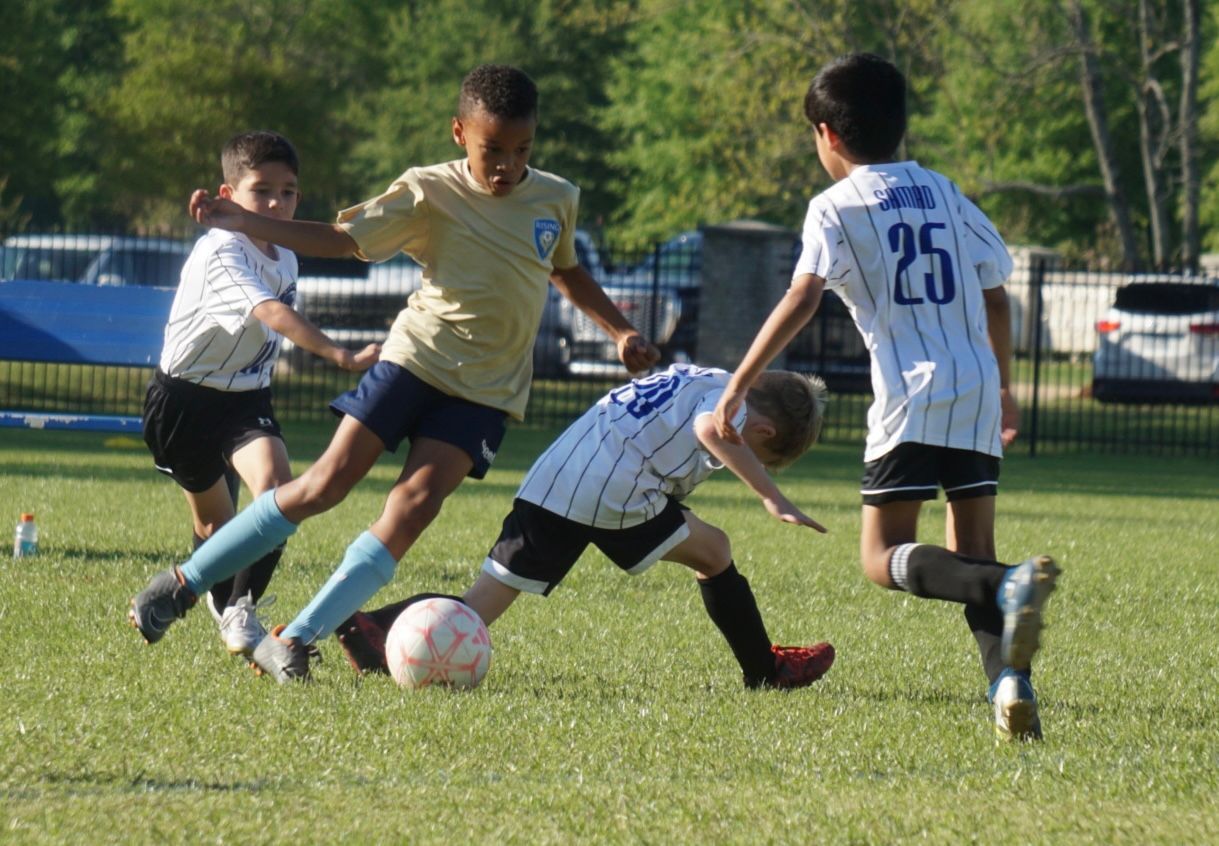
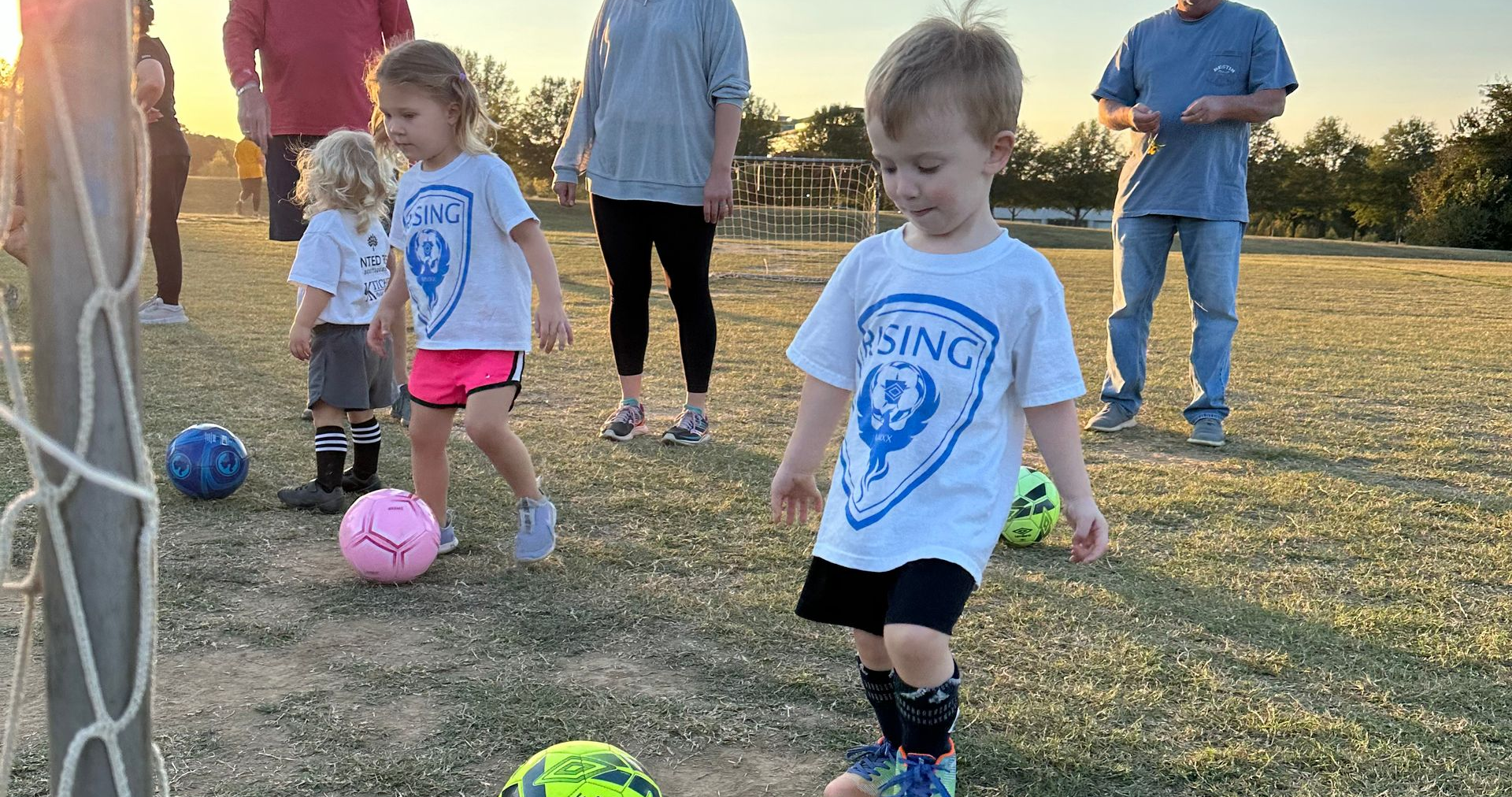
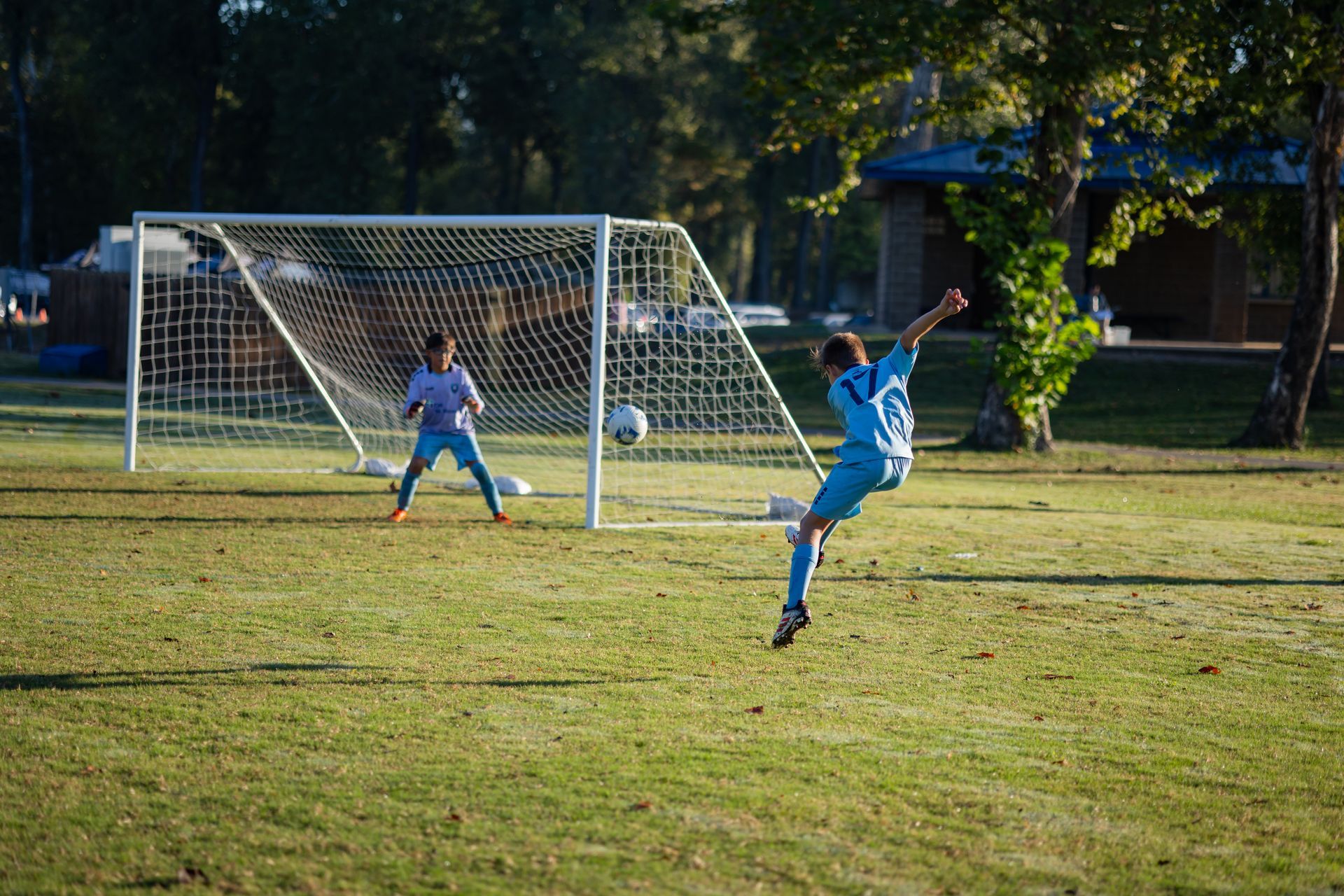
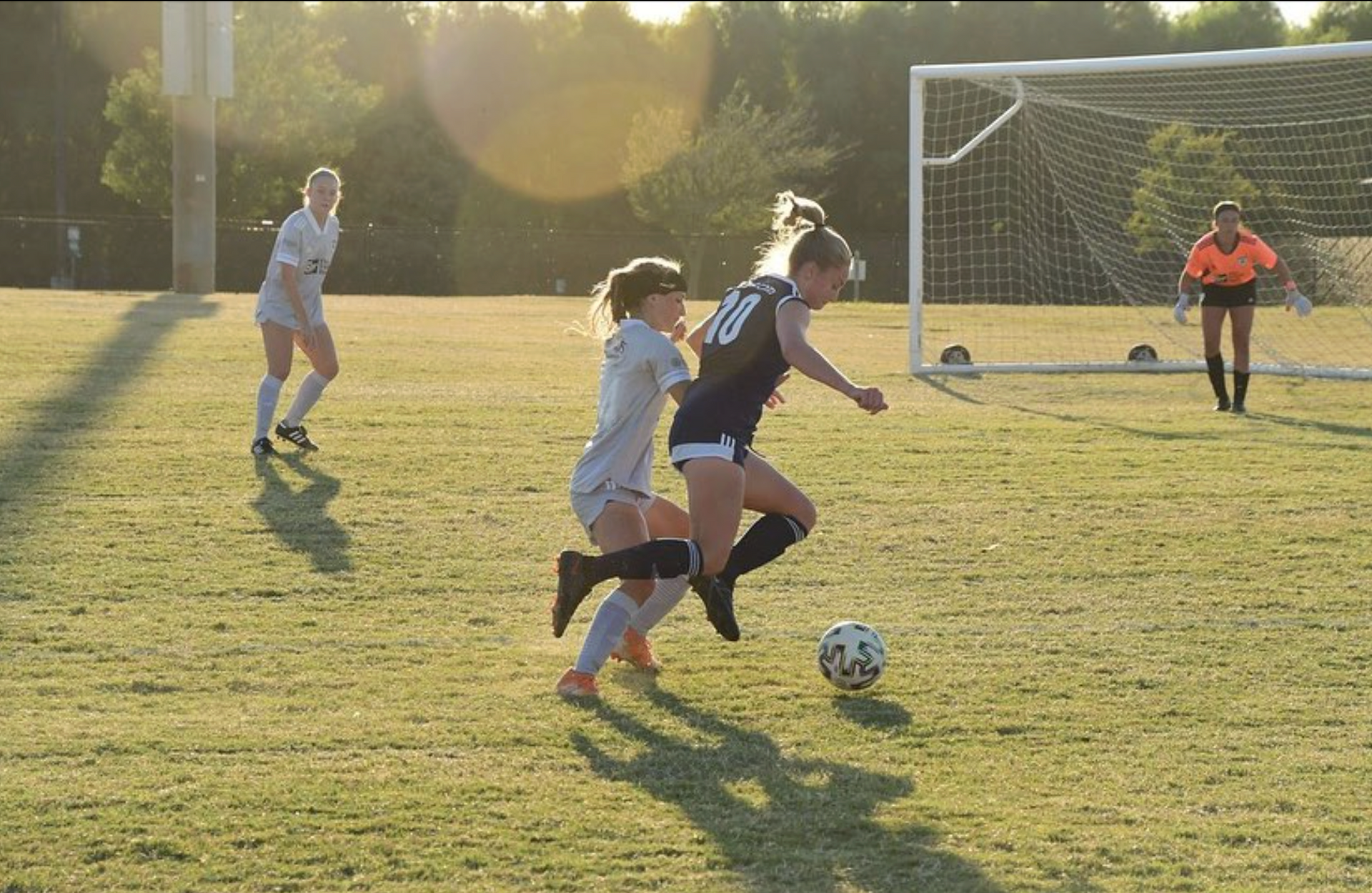
During training sessions, mistakes are frequent. Passes go astray, shots miss their mark, and players sometimes seem out of sync. This messiness can be frustrating, but it is a critical part of the learning process. It’s through these errors and the process of correcting them that real growth occurs.
The Non-Linear Nature of Learning
Learning, in any context, is rarely a straight path. In soccer, players develop at different rates and in different ways. One week, a player might seem to have mastered a new skill, only to struggle with it the next. Progress can be erratic, with setbacks and leaps forward often occurring unpredictably.
This non-linear progression can be seen clearly in youth soccer training. Take, for instance, the development of technical skills. A player might spend weeks working on their dribbling, gradually improving, only to face a game situation that throws them off balance. This doesn’t mean they haven’t learned; it simply means they are still in the process of integrating that learning into their game.
The Role of Mistakes in Growth
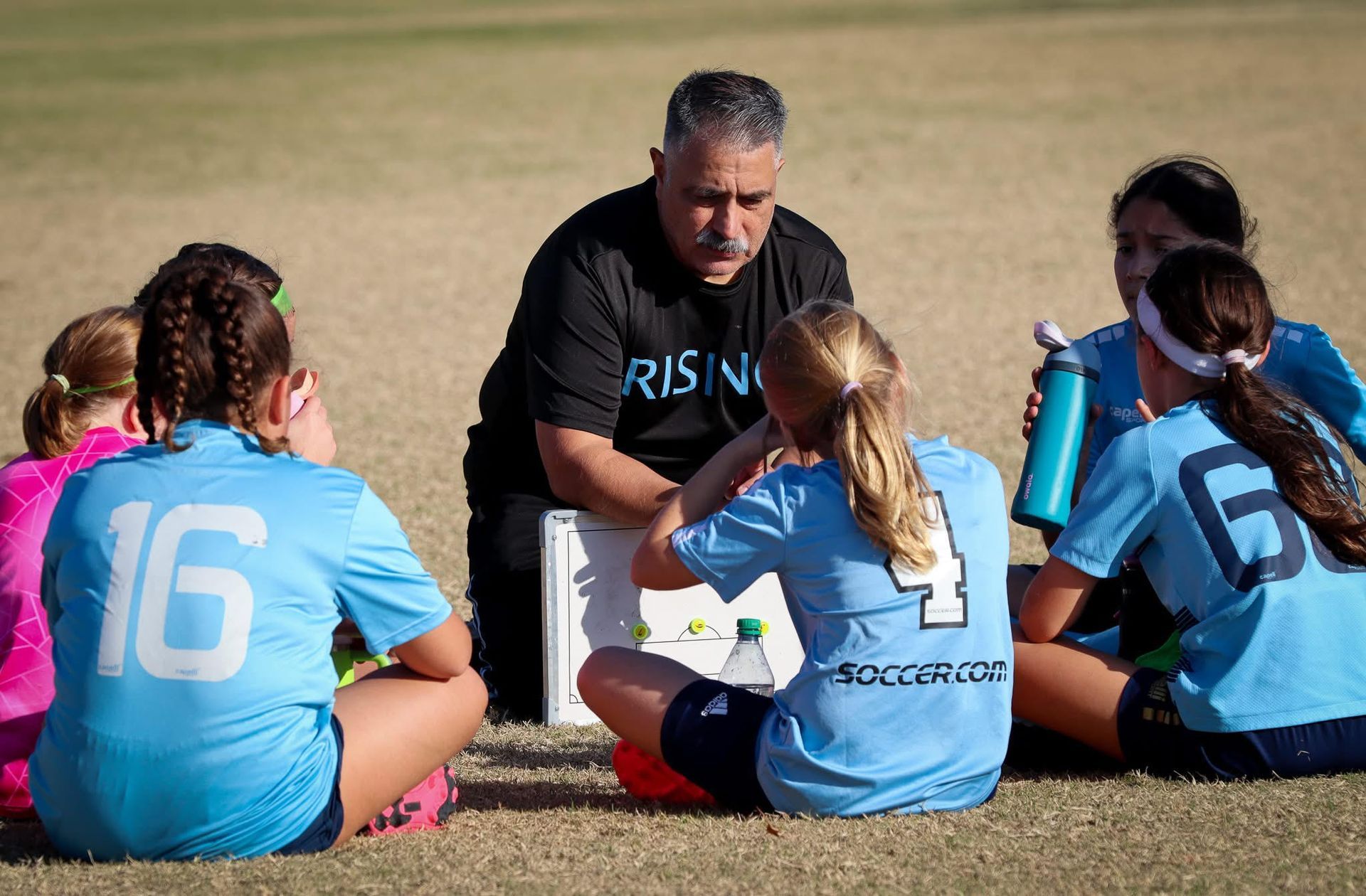
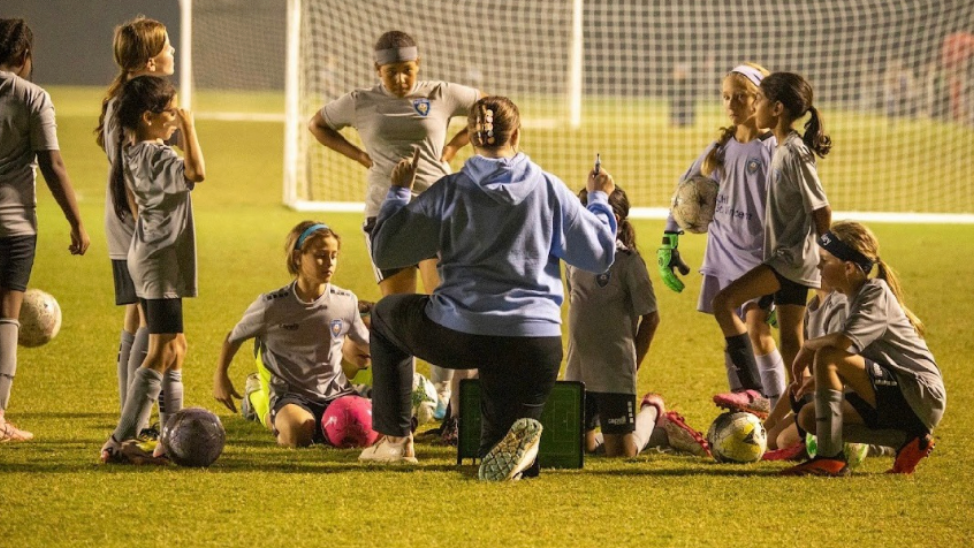
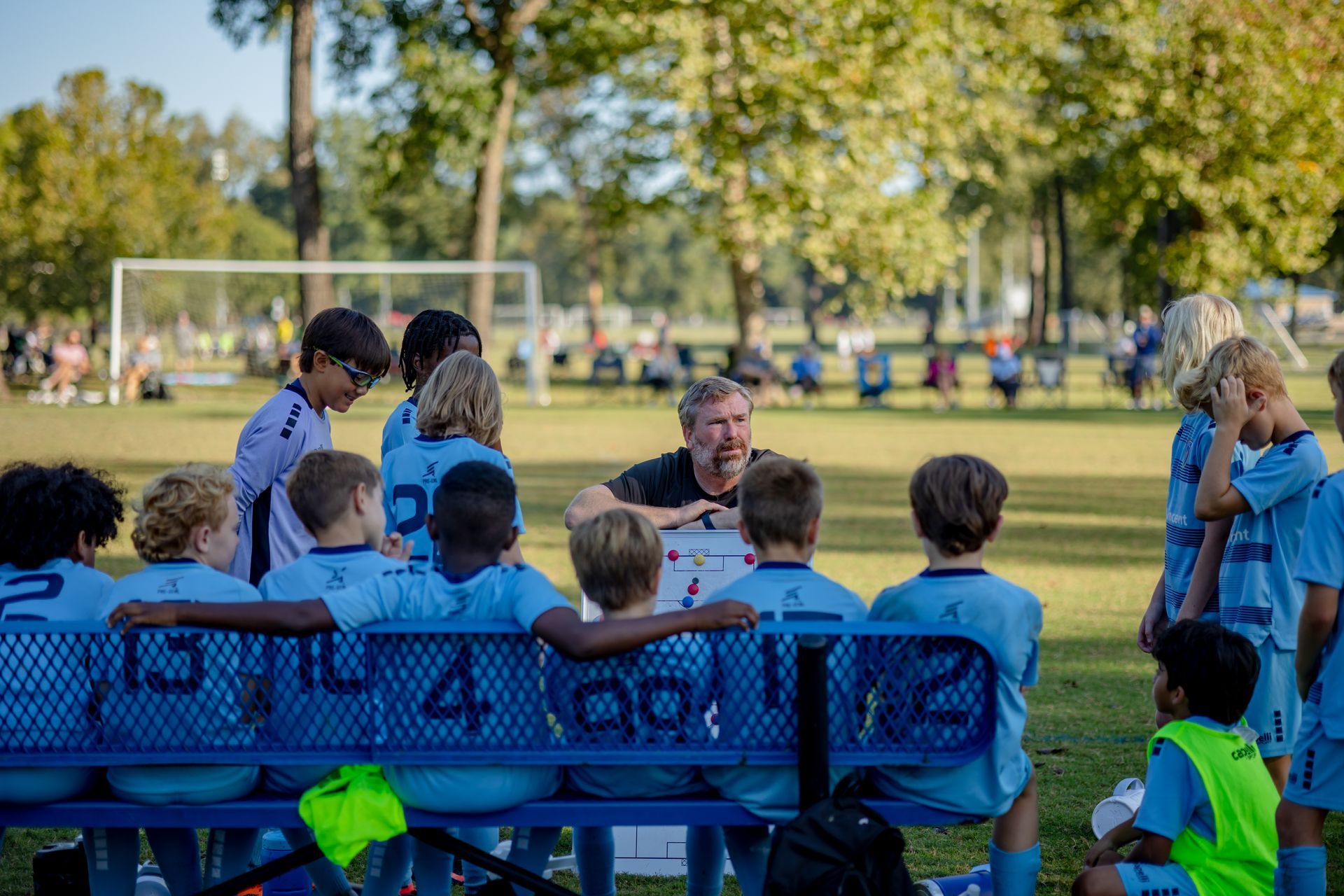
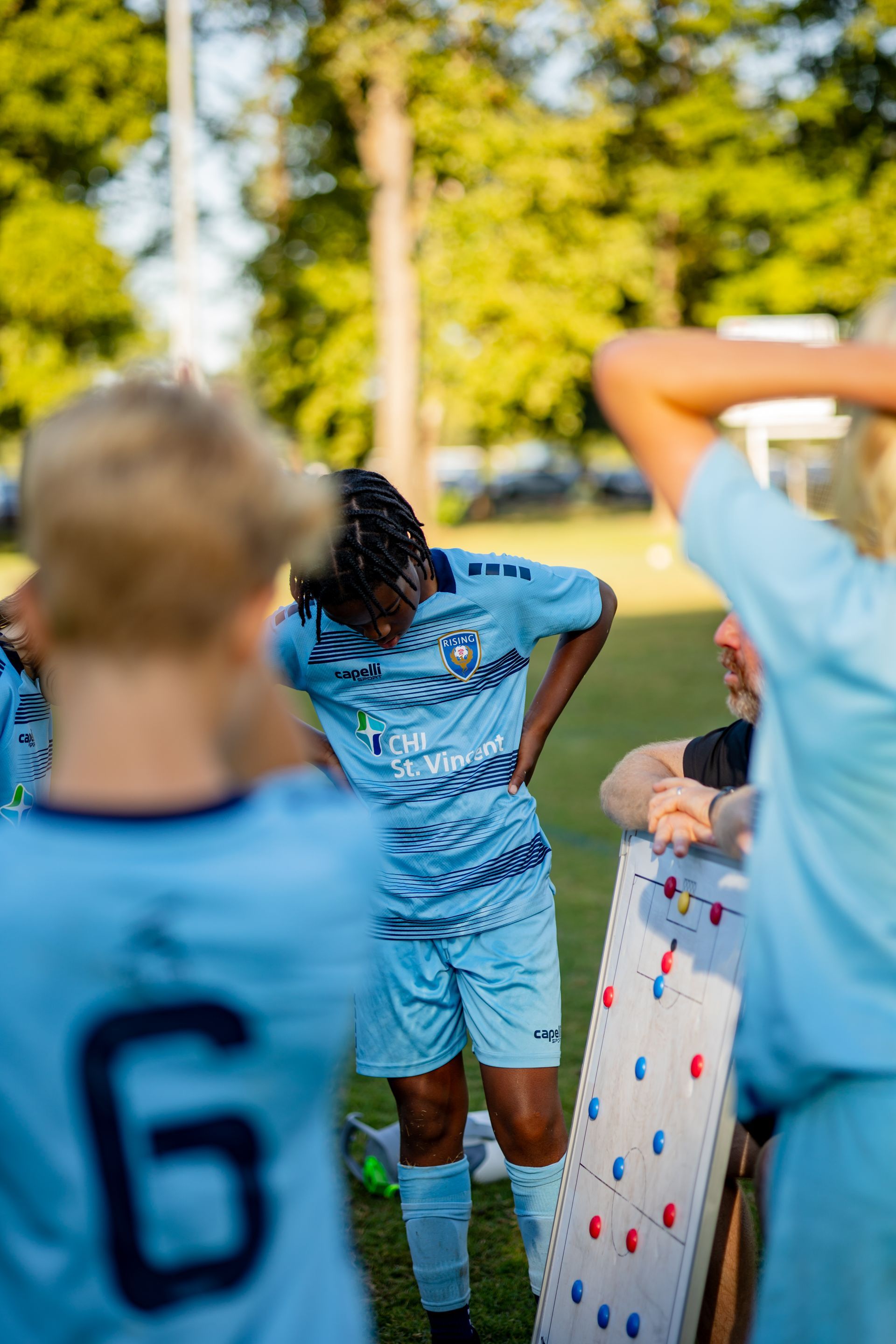
Mistakes in training are not just inevitable; they are invaluable. Each error is an opportunity for a player to understand their weaknesses and work on them. Coaches play a crucial role here, providing feedback and guidance, helping players learn from their mistakes rather than becoming discouraged by them.
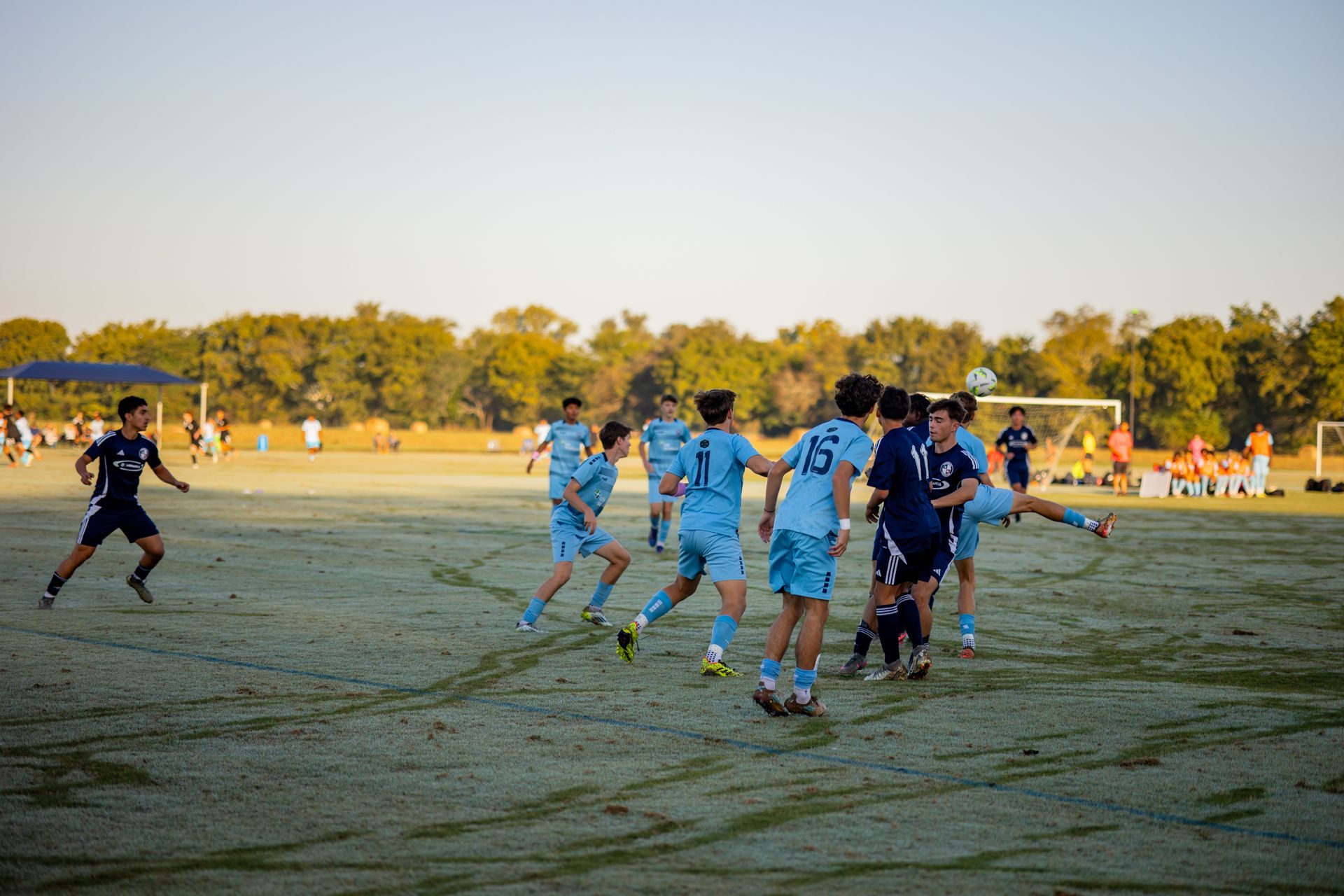
A well-structured training session allows for these mistakes to happen in a controlled environment. By creating scenarios that challenge players, coaches encourage them to think critically and adapt. While the setup may not always pass the eye test—appearing messy and uncoordinated—it is more about the content. This is where the true learning happens. It's not in the moments when everything goes right, but in the times when players are forced to confront and overcome their shortcomings.
The Value of Persistence
In both soccer and education, persistence is key. Players need to understand that improvement is a gradual process and that setbacks are a natural part of that journey. This mindset shift is crucial. When players recognize that learning is messy, they become more resilient and more willing to take risks, knowing that each misstep is a step towards mastery.
Coaches and educators alike should emphasize this perspective. By celebrating effort and persistence over immediate results, we can foster an environment where learning is seen as a continuous, evolving process rather than a series of successes and failures.
Conclusion: Embracing the Mess
Soccer training, much like learning itself, is inherently messy. It’s filled with mistakes, setbacks, and moments of frustration. But it’s also where growth happens. By embracing the chaos and recognizing that learning is not always linear or neat, we can create a more supportive and effective training environment.
So the next time you watch a practice session and see a stray pass or a missed shot, remember that these moments are not failures. They are the building blocks of success, the crucial steps on the path to improvement. In soccer, as in life, learning is messy—and that’s what makes it beautiful.
Brittany Axford
Arkansas Rising Operations Director